
Most people have felt this in a car: you drop the phone on the mount, navigation runs, and the battery still creeps down — and the phone gets warm to the touch. The fault is rarely the phone; it is the car wireless charger you picked. In 2026 Qi2.2 raised magnetic wireless charging to 25W, and car mounts upgraded too, but 'does it charge' and 'does it charge fast' are still separated by a few very practical things.
Vent position decides cooling, and whether it charges at all
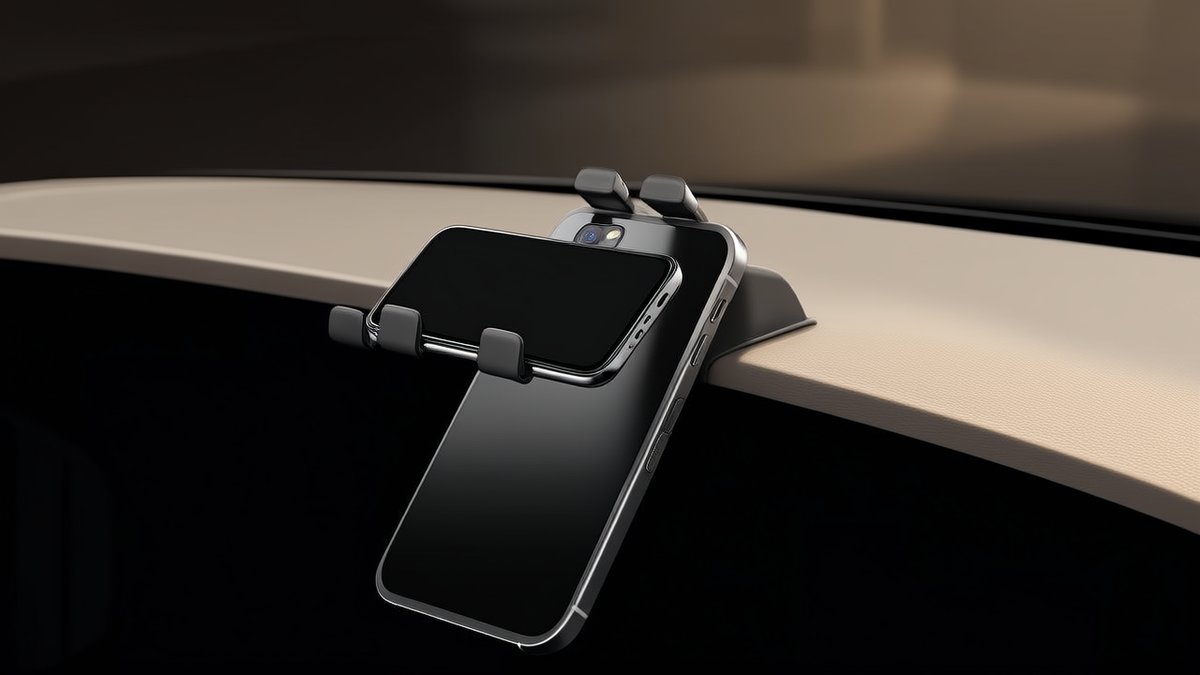
A car wireless charger fears two things — summer cabin heat and the phone already warming up during navigation. Once the coil heats up, the chip throttles power to stay safe, so you watch the battery fall while it sits there. So first check how the mount attaches: a clip that hangs on the air-vent pulls cool air across the coil and is the safest bet on hot days; a unit glued to the dashboard looks clean but the metal or plastic bakes in direct sun and slows charging. If you drive in hot regions, pick the vent clip.
The second thing to watch is wattage. Look for the Qi2.2 (25W MPP) or at least Qi2 (15W) mark; don't be fooled by a plain 'fast charge' label. Apple phones from the 12 onward use MagSafe magnetic alignment; on Android, Huawei, Xiaomi and OPPO mostly rely on official magnetic cases, while some Motorola models build magnets in. Confirm which camp your phone is in before buying — no magnetic hardware and no case means you get only 5W.
iPhone and Android are not the same thing
Many assume a magnetic mount is universal. Magnetic alignment actually came from Apple's MagSafe and was folded into the industry as Qi2. A true Qi2.2 car charger aligns both iPhone and newer Android at 15 to 25W; but if you buy an older 'MagSafe-compatible' unit with no Qi2 mark, an Android phone may only get 7.5W. Read the 'supported devices' list on the product page — it beats the promo photos.
A quick checklist before you buy:
- Marked Qi2.2 or Qi2, not just 'fast wireless';
- Vent clip vs adhesive — pick the clip if you drive in heat;
- Your phone has magnetic hardware or an official magnetic case;
- Over-temperature protection (FOD plus thermal control) as a safety floor.
At the end of the day a car magnetic wireless charger is not 'the pricier the better' — it is good only when it matches your phone and survives the heat inside the car. Check these things and you will mostly avoid a bad buy.
© SWPO. All rights reserved.