
Picking an AI companion for parents or an isolated older relative, the easy trap is falling for it chats with you and bringing one home only to find it does none of the things that actually matter. By 2026 the shapes are varied—desktop screens, wheeled robots, phone-clip companions—but don't let can chat crowd out the four checks that really count.
Check one: safety backstops beat chat by a mile
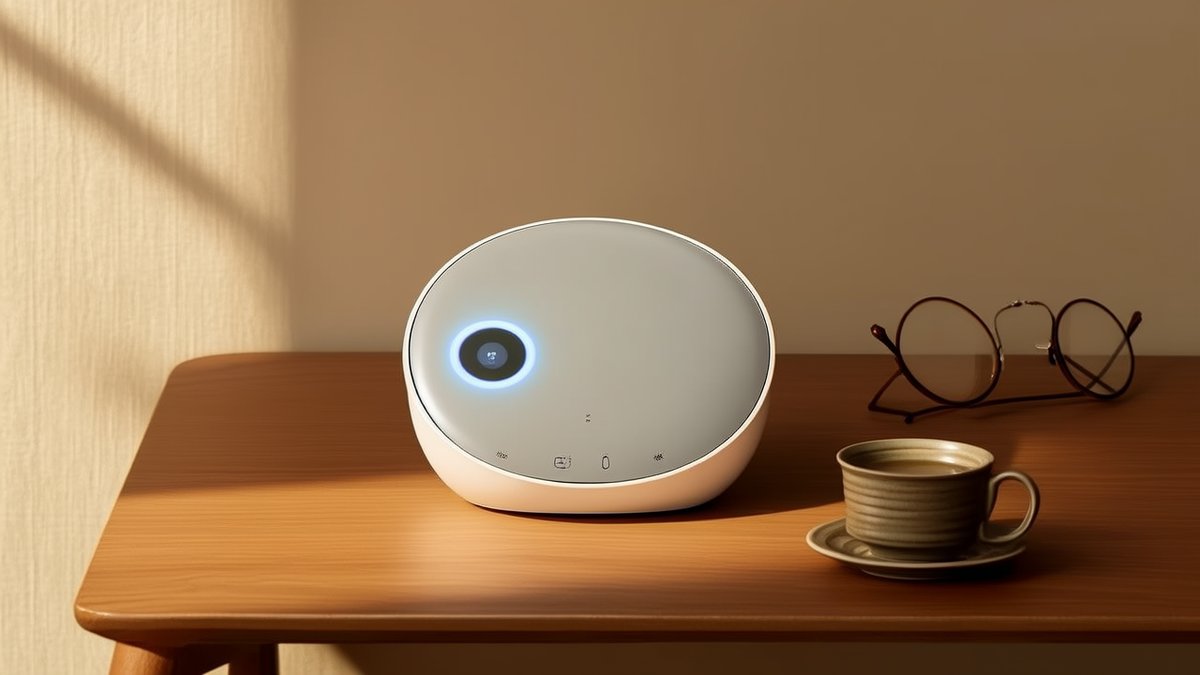
For older users the top priority was never emotional interaction; it is safety. Fall detection, one-tap emergency calling, on-time medication reminders, and dialect recognition deliver far more value than a companion that tells weak jokes. There is broad agreement in the field that any product claiming to independently care for a dependent elder should be ignored for now—today's robots mostly do remote monitoring and reminders, not replace a carer. So tick the safety features first, then talk about anything else.
Check two: does the data live on the device or in the cloud
A companion device listens, watches and remembers habits, so by nature it collects the most private data there is. At CES 2026 Lepro showed Ami, a desktop companion with physical camera and microphone shutters, and claimed all interaction data stays on the device—a nod to people who are uneasy about always-on intimacy tech. A broader comparison in the companion-robot database is more systematic: Amazon Astro and temi upload to the maker's cloud, while Anki Vector offers a local-only processing mode. Before buying, ask: where is the data stored? Is there a physical switch to cut mic and camera? Can I see a data log and wipe it in one tap? With elders or kids at home, tighten this line.
Technically, running the conversation on-device is becoming the mainstream direction. A 2026 edge-AI paper argues a fully offline companion has three wins: far lower privacy risk, a one-time hardware cost instead of recurring cloud fees, and it keeps working without internet. The realistic compromise is a hybrid: daily chit-chat and wake-word run locally, only the heavy long-form reasoning goes to the cloud. For most homes, local storage first plus basic offline function already blocks most privacy traps.
Checks three and four go together: does it still talk when the internet drops, and is the subscription a bottomless pit? Mashable cited figures that by mid-2025 companion apps had passed 220 million global downloads—real demand, but many experiences lean on the cloud, so a dropped connection can kill even basic conversation. nexttechbuy's testing noted Moxie Gen 3 can run basic movement and local voice offline, but coherent dialogue still needs the cloud, and makers typically promise about four years of firmware and model updates. On price, read the fine print: some are buy-once, some are monthly, some sell cheap hardware and charge for content. Don't be fooled by low hardware cost into a device that bills you every month.
The short version: for an older relative, ask about safety first, then who owns the data, whether it works offline, and what the monthly fee is. Being a good chat buddy is a bonus; these four are the floor.
© SWPO. All rights reserved.