
Straight to the point: used normally, resting a phone on a certified wireless pad every day does not age the battery faster than wired charging. The moment you set the phone down, the battery management system still controls current, temperature, and overcharge. There is no special wireless mechanism that eats the battery. What actually shortens battery life is what lithium cells hate most: sustained heat and long stretches parked at 100 percent.
Where does the extra heat from wireless charging come from
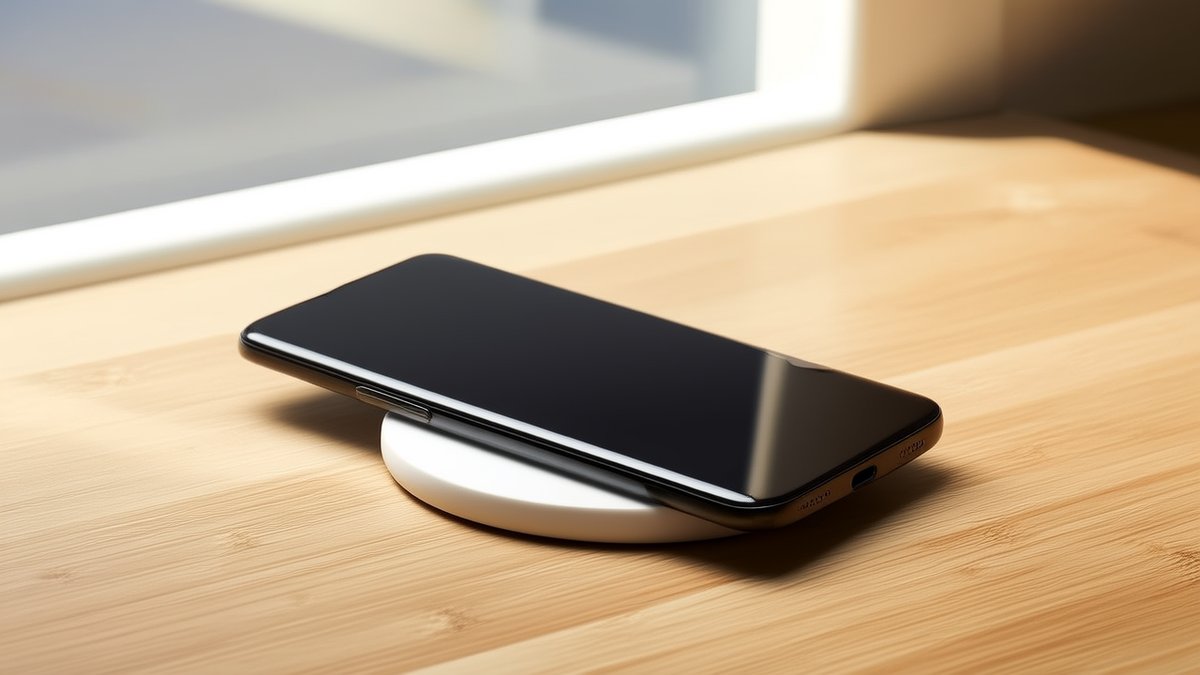
Wireless charging runs on electromagnetic induction, so power has to cross an electric to magnetic to electric path. Conversion efficiency lands around 70 to 85 percent, and the lost portion turns into heat. At the same 15W, a wireless pad typically runs the phone 3 to 5 degrees Celsius warmer than a cable, which is just physics. The good news is that newer standards turned thermal limits into hard rules: Qi2.2 caps surface temperature at 40 degrees Celsius under 25W output, the first time the WPC set a thermal red line for high-power wireless. Apple also improved coil efficiency on the iPhone 15 and 16 generations to cut heat at the same wattage. In other words, a certified charger keeps the warmth in check.
Two habits that actually hurt the battery: stacked heat and all-night full charge
The first risk is stacked heat. Lab work keeps showing that once a cell sits above 38 degrees Celsius for long, electrolyte breakdown and lithium loss accelerate, and past 45 degrees the damage can become permanent. Wireless charging already runs a bit warmer, so trapping the phone in a thick silicone case, leaving it on a pad inside a sun-baked car, or gaming while it charges can push past the safe line. The second risk is the all-night full charge. A phone set down at 11 pm and picked up at 7 am can sit at 100 percent for five or six hours, and that combination of heat plus full state of charge is the main reason some wireless users see faster-than-expected decline. The fix is simple: turn on optimized battery charging on iOS, Adaptive Charging on Android, or Samsung Protect Battery capped at 85 percent, peel off the thick case, and avoid charging in hot enclosed spaces. That pulls the gap back into normal aging range.
One line to remember: wireless charging is not the enemy of your battery, heat and full charge are. Pick a Qi2-certified charger, align it properly, keep optimized charging on, and skip hot enclosed spots, and it will last about as long as wired.
© SWPO. All rights reserved.