
It actually remembers what I said yesterday, that is the moment many parents are first surprised by an AI toy. But where that memory lives is the most overlooked and most consequential design choice in the category.
On-device or cloud: a privacy-versus-experience trade-off
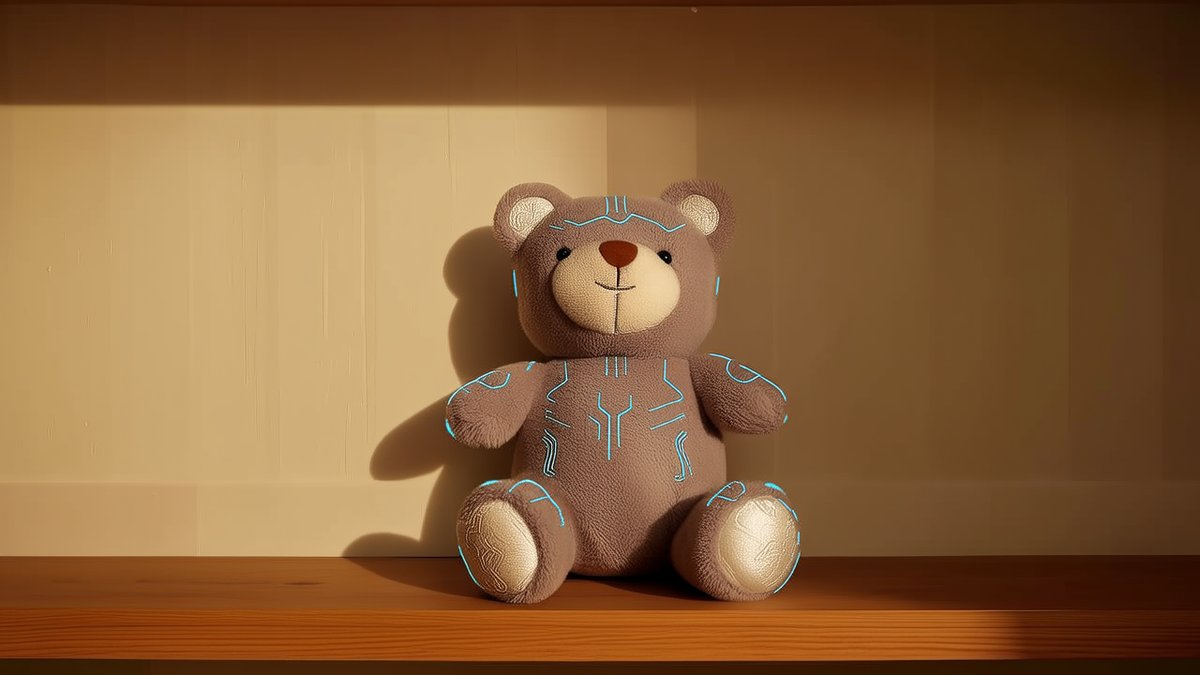
Intel Market Research's 2026 teardown gives a hard number: over 60% of premium AI companion toys now run on edge-AI chips, doing conversation learning and inference locally. The reason is plain, COPPA and the EU's GDPR-K scrutinize children's voice and behavioral data tightly, and keeping memory on-device both shrinks the upload-leak surface and skips cross-border compliance headaches.
Cloud setups feel smarter: bigger models, longer memory, sync across devices, but every child's word goes upstream, and a breach there makes headlines. So cautious makers lean edge-first, cloud optional: daily talk stays in a local embedding, and only curated snippets back up to encrypted cloud after a parent opts in.
The three ledgers of cache, embeddings and sync
Under the hood, memory splits into three layers: a local cache holds the last few turns, an on-device embedding compresses long-term preferences into vectors stored in the unit, and cloud sync moves a growth profile only after parental consent. Each layer is a trade-off, too-short cache forgets the person, too-coarse embedding loses detail, too-frequent sync crosses the privacy line.
California's January 2026 proposal to pause under-18 AI companions essentially forces makers to default to local first. For buyers, the question is not only does it know my child but where does its memory default to, can I wipe it in one tap, and can the parent dashboard show every record. If those three answers hold up, privacy is cleared.
© SWPO. All rights reserved.