
AI toys for kids are a real trend now. Story machines, companion robots and early-learning boxes with conversational ability are stacking up on shelves, and the marketing loves words like 'understands your child' or 'remembers everything'. As a parent you want play to be fun, but one thing matters more than 'is it fun': does the device actually follow the rules.
By rules we mean the protections around children's personal information. Everything a child says to the toy, every drawing, even sleep and location, can be recorded. These laws are not decoration: the US has COPPA, the EU has the child-related clauses of GDPR, and China put its own 'Interim Measures for Anthropomorphic AI Interaction Services' into effect in 2026. A serious maker states this clearly on the box; one that stays vague is usually the one to worry about.
First, where does it keep the data
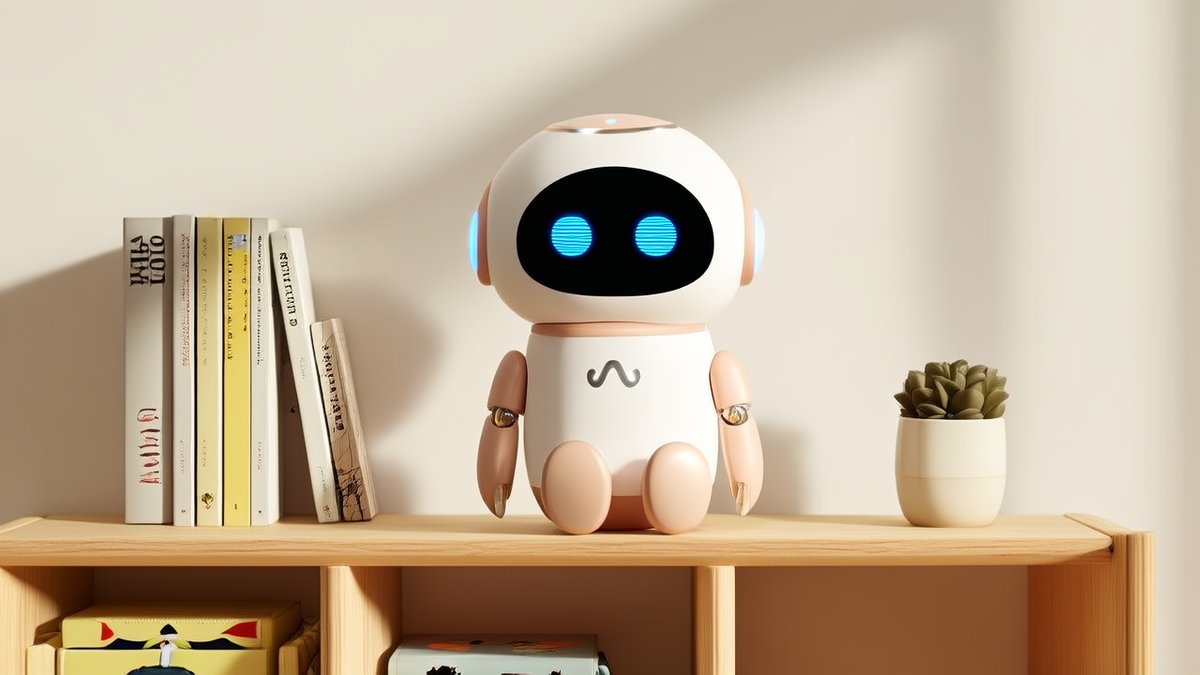
The most direct signal: does the product page say 'on-device processing' or 'edge AI'? Keeping voice and conversations on the device instead of uploading to the cloud is the hardest line in child privacy. In industry research, more than 60% of premium models now ship with on-device chips, precisely because it helps both compliance and latency. If the page only says 'smart cloud chat' and says nothing about storage, that is a question mark.
The second is 'parental control'. A proper product gives parents a console: see what the child talked about, delete records, turn off networking. If the page states 'cloud sync only after parental approval', it treats parents as partners. If you cannot even find a delete button, walk away.
Then, does it respect age tiers
Children's AI hardware is not 'the younger the better'. What a 3-year-old and an 8-year-old should meet is very different, and compliant products state an age range (3+, 6+) and tier the content. A page that clearly says 'for ages X to Y' and lets content switch is one that actually thought about the child; vague tags like 'all ages' or 'smart companion' usually mean no age design at all.
One more: how does it handle 'content safety'? Does it use a content fence that blocks bad output, or just let the model roam free? 'Built-in content filtering' or 'inappropriate content auto-blocked' beats a bare 'AI generated' by a mile.
In the end, two minutes on the product page beats regret later. Remember three things: local or cloud storage, can parents control it, is the age tier clear. Only the one that answers all three deserves a spot in the child's room.
© SWPO. All rights reserved.