Smart rings blew up over the last couple of years, but almost everyone who owns one shares the same complaint: charging. A ring has no room for a USB-C port, so makers hand you a tiny proprietary dock. The trouble is those docks get lost easily, and the metal contacts corrode once they meet sweat, so after a few months the connection gets flaky. Put simply, the charging experience never matched the price tag.
Things started shifting in 2026. The industry began putting NFC wireless charging into tiny devices like rings. A concrete example: ROHM's ML767x chipset shrinks the coil to under 10 mm in diameter, something no wireless charging tech managed before. It runs on the NFC band, delivers a practical charge to those 15–50 mAh button-sized batteries, and adapts foreign-object detection to skin-close range since the ring sits on your finger. Earlier ML7660 devices stay compatible with the new transmitters, so early adopters are not left behind.
Not every device should run on one standard
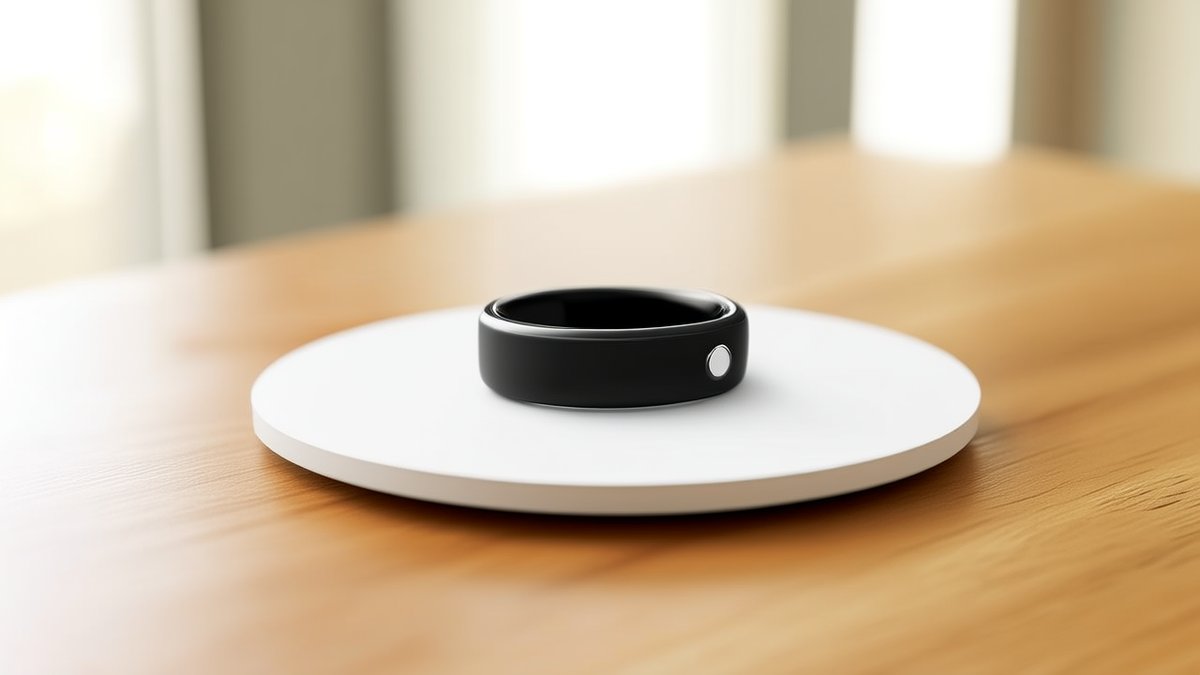
Behind this sits a bigger trend. Wireless charging used to be a one-track Qi world; now the device shapes diverge too much. Phones take Qi2.2 at 25W, watches keep their own magnetic pucks, earbuds sit at 5W Qi, and rings now add this NFC layer. Elecdov put it bluntly in its 2026 industry piece: one size no longer fits all, yet the goal is for every size to lie on the same charging surface. It even sketched a 2027 unified charging station where phone, watch, earbuds and ring all top up from one pad.
The market is catching up. PMarketResearch puts the wearable charging accessory market at USD 3.82 billion in 2025, heading to USD 9.6 billion by 2032 at a 14.1% CAGR. At CES 2026, Belkin, Anker and ESR all showed multi-device docks with Qi2 25W support, clearly steering toward one hub that feeds the whole device family.
For buyers, the practical takeaway is simple: when picking a wearable, ask whether it locks you into a proprietary dock. The more niche the form factor, the easier it is to trap you in bespoke accessories. Favor products marked Qi2.2 that share a pad with your phone charger, and you save headaches later. Standard unification looks messy in the short run, but in the long run the buyer wins.
© SWPO. All rights reserved.