
The show floor at CES 2026 was crowded with companion hardware: Lepro Ami with its curved screen that tracks your eyes, Fuzozo the purring plush companion that looks like a tiny ball of fur, and Ludens AI's Cocomo and INU. In the demos they all felt alive. But before you actually pay to bring one home, one question is worth answering: is this human-likeness real intelligence, or is it just acting for the crowd?
Check one: how it responds, not how fluently it speaks
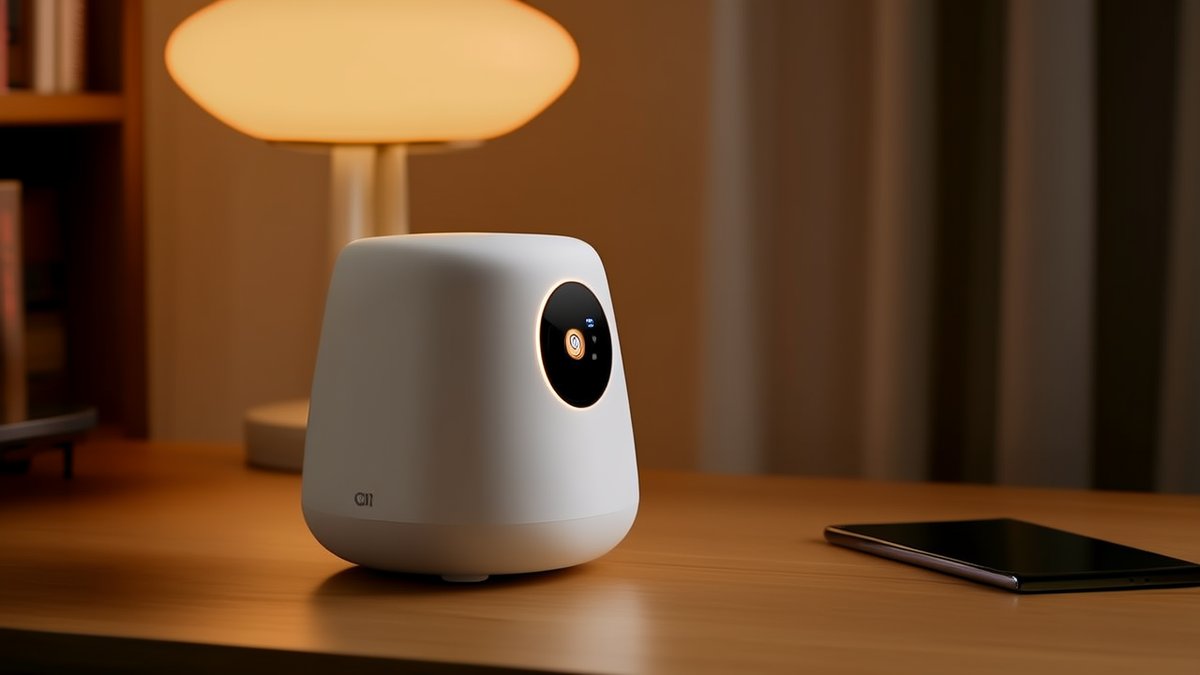
A product built on a live large language model pauses to think and, more importantly, does not talk over you. It catches the thread of what you just said. Canned replies are easy to expose: say almost anything and you get the same few lines back, and the moment you change the topic it falls apart. When you shop, deliberately steer the conversation away from its comfort zone and see whether it follows you or just recites a script.
Check two: where the emotion comes from. Check three: whether it admits what it is
A device that reads the room usually keeps memory locally, remembers where you left off last time, and varies its tone with context. One that loops the same fixed delivery is wearing its emotion as a costume. The most practical test is the last one: a responsible product tells you upfront that it is AI. inTouch's Mary, built for seniors, states clearly on the first call that it is an AI. If a product hides what it is and pretends to be a person, that is a reason to be careful.
No matter how convincing the realism, privacy is the final gate. Lepro Ami ships with physical camera shutters and stores data locally. inTouch keeps no conversation logs and sells none. If a device only works online and ships your data outward, the realism is not enough to ignore. When choosing companion hardware, do not let the phrase human-like carry you away. Look for four things together: it follows your conversation, it remembers, it admits what it is, and your data stays yours. Only when all four show up is it worth bringing home.
© SWPO. All rights reserved.