
For years, a wireless charging pad dealt with heat through passive means — graphite sheets, vapor chambers, phase-change materials — that spread the warmth away without using power or making noise. But once 25W went mainstream in 2026, vendors started slipping fans, even tiny liquid-cooling pumps, into power banks and pads. This isn't showing off; at sustained 25W, passive cooling genuinely hits a ceiling. Let's take it apart.
Where the heat comes from at 25W, and why passive hits its limit
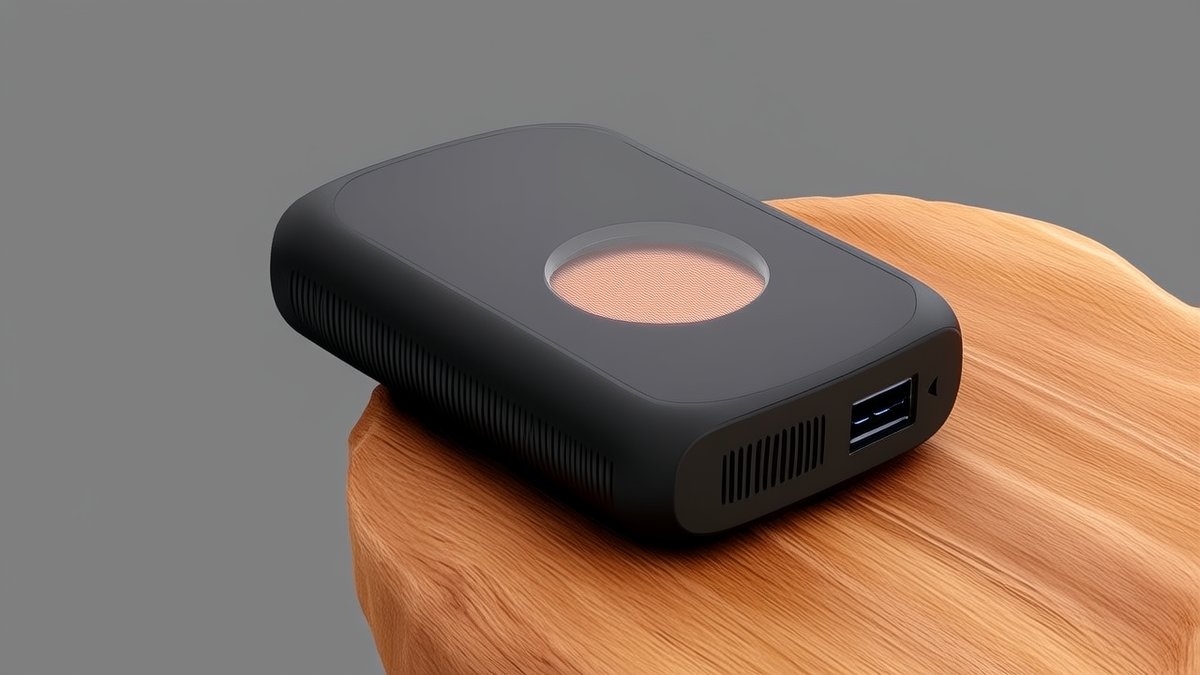
Wireless charging is electromagnetic induction doing energy conversion, so the transmit coil, receive coil and the rectifier and controller chips all generate heat. Qi2.2 sets the pad surface temperature red line at 40 degrees Celsius or below, a one-strike rule, yet at 25W the whole chain from coil to phone battery is producing heat. Passive materials cool by enlarging the surface area and spreading the heat, but the cooling rate has a ceiling: high ambient temperature, a device trapped in a thick case, or several devices stacked on one pad all push temperature to the red line and trigger power throttling, which slows the charge. So at the 25W tier, stacking more passive materials isn't enough — you have to actively move the heat out.
How active cooling works: fans, liquid pumps, and what they cost
Two examples from IFA 2026 are typical. Anker's MagStand station built in active cooling and claims to hold the phone surface around 37 degrees Celsius, under the 40-degree line and gentler on battery life. UGREEN's MagFlow Pro magnetic power bank claimed to be the world's first liquid-cooled Qi2 25W unit, using a CryoPulse micro-pump to circulate coolant and carry heat straight away from the charging components, with a transparent window on the back showing the pump at work; the company says it takes an iPhone 17 Pro Max to half in forty minutes. Active cooling's logic isn't to spread the heat but to move it, so it can hold peak power longer. The cost is real too: noise, size, expense and extra power draw — Anker specs a roughly 15-decibel fan, UGREEN needs a transparent window to show off the pump. For vendors, cooling has been upgraded from a materials job to a thermal-management subsystem.
The short version: in the 25W era, what cooling really decides is whether a device can stay at full speed, and active cooling is the hand that holds the charging experience steady. When picking a 25W product, check whether its maker treated cooling as a subsystem — that matters more than the wattage number itself. One caveat: active cooling brings fan lifespan and dust issues, so a passive-plus-active hybrid will likely prove steadier over time.
© SWPO. All rights reserved.