
At the 2025 and 2026 toy shows, the headline act was no longer the dancing robot but a plush toy that tells bedtime stories, remembers a child's name, and picks the story up where it left off the day before. Generative AI has pushed toys from 'scripted talking' to 'conversational companionship.' The category is heating up fast — yet on the other side, the line that governs children is tightening just as quickly.
Where the money is going: from hardware to 'a character that chats'
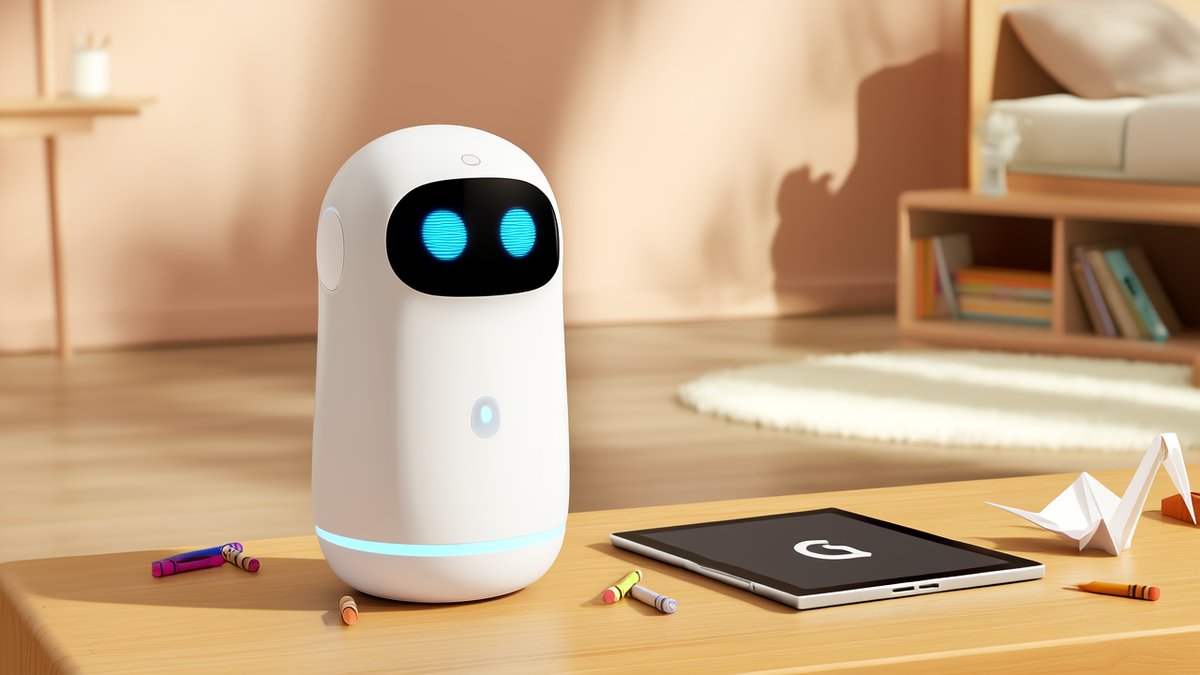
Market researchers size the prize as sizable. Stats Market Research estimates AI interactive toys at about USD 2.51 billion globally in 2025, heading to USD 5.19 billion by 2034, a roughly 11% compound annual growth rate; Intel Market Research puts 'smart AI companion toys' at USD 55 million in 2025 and USD 132.8 million by 2034, about 10.2% a year, with North America close to half the total. Domestic Chinese figures point the same way — industry data cited by Sohu puts the global smart AI toy market at about USD 3.1 billion in 2025 and USD 4.33 billion in 2026, around 37% growth. On the player side, brands with robotics or toy heritage like Miko, Mattel and UBTECH lead, while desktop companions like Living.AI and Loona differentiate on emotional interaction. The notable shift: value is moving from bare hardware toward conversation engines, character IP and recurring content subscriptions.
In other words, a big slice of what toy makers will earn going forward is 'the character that chats' and the cloud service behind it. And that is exactly what puts children's data compliance on the front page.
But the compliance line tightened noticeably in 2026
In the United States, the FTC's revised Children's Online Privacy Protection Rule (COPPA Rule) took effect on 22 April 2026. The changes are substantial: biometric identifiers such as voiceprints and facial geometry are now explicitly 'personal information,' so AI toys or companion apps with face or voice recognition fall under the rule; disclosing a child's information to third parties for targeted advertising requires separate, verifiable parental consent rather than being bundled into general service consent; and indefinite retention of children's data is banned, with a stated retention-and-deletion policy required. The signal was already clear when the FTC reached a USD 10 million settlement with Disney in September 2025 over failing to mark child-directed content as 'Made for Kids' and allegedly collecting children's data without proper consent. In the EU, GDPR-K raises the protected age to 16 (members may lower to 13); the UK's Age Appropriate Design Code extends to under-18s with high-privacy defaults. For makers, on-device AI — speech and vision processed locally, not in the cloud — is becoming a practical path to meet child-privacy rules; one study notes over 60% of premium companion toys now use edge AI.
For parents, a few things actually worth checking: first, does the device have a physical microphone/camera off-switch — physically off is safest; second, does the privacy policy state clearly where data is stored, who gets it and how to delete it — vague wording is a pass; third, prefer on-device processing over 'everything goes to the cloud'; fourth, confirm a parent can delete the child's conversation history and account at any time. The market is hot, but a child's voice and face should not become free training material.
© SWPO. All rights reserved.