
Over the past couple of years you have probably noticed the same quiet change: on the nightstand, at the office desk, even on the side table in a hotel lobby, more and more featureless pads with no visible cable are quietly topping up phones. Qi2.2 turned 25W magnetic charging into the 2026 flagship baseline, and by July over 600 products had passed WPC certification. Yet the more interesting shift is not the extra watts - it is that, once 25W stuck, wireless charging started moving from a phone accessory toward home infrastructure.
Start with the standard side. The WPC has already put Qi2.3 on the roadmap, aimed at 45W and above, with a clear target: letting tablets and thin laptops drop the cable too. The industry line is that the spec should reach certification around late 2027. Looking further out, the small inductance, low voltage, high power architecture Xiaomi pushed at the WPC off-cycle meeting it hosted in Beijing in June 2026 is also scouting the path for a future 50W universal standard - the moment that lands, the thing being charged stops being just a phone.
The charger is getting online, and that matters more than watts
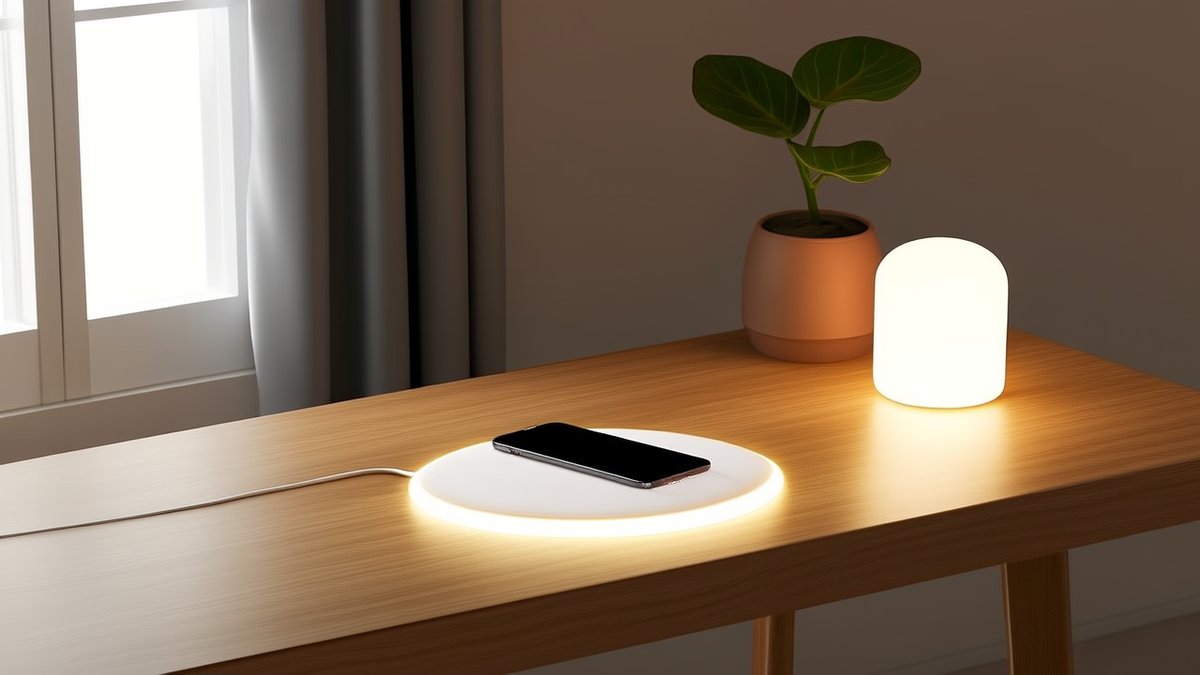
More concrete than raw power is that charging is going connected. In its 2026 industry coverage, Elecdov notes that Qi2.2 stations are increasingly tying into smart-home platforms like Apple HomeKit, Google Home and Amazon Alexa. What they do is no longer only push power in but show how much you charged this week, when charging started, how many devices are drawing at once. For furniture makers, car OEMs and office spaces, that means the charger stops being a standalone gadget on the desk corner and becomes part of the tabletop, the car, the wall - what you are really buying is a table that charges, not a pad that charges.
If you shop for chargers this year, do not only watch the wattage
Put simply, the second half of wireless charging is not about who is fastest but who is most invisible: ideally you never think about where it is, yet it keeps working. If you plan to add charging gear at home or at your desk this year, my advice is to check three things first - Qi2.2 certification, whether it links with your smart home, and whether it can be built into the surface instead of piling up with cables. Watts still matter, but once 25W became the baseline, what really separates products is how well they fade into your daily life.
© SWPO. All rights reserved.