
By mid-2026, AI companion toys are no longer a lab curiosity. Two sets of research numbers tell the same story from opposite angles: money is pouring into the category while regulators are pulling on the reins.
The numbers: two growth curves, two definitions
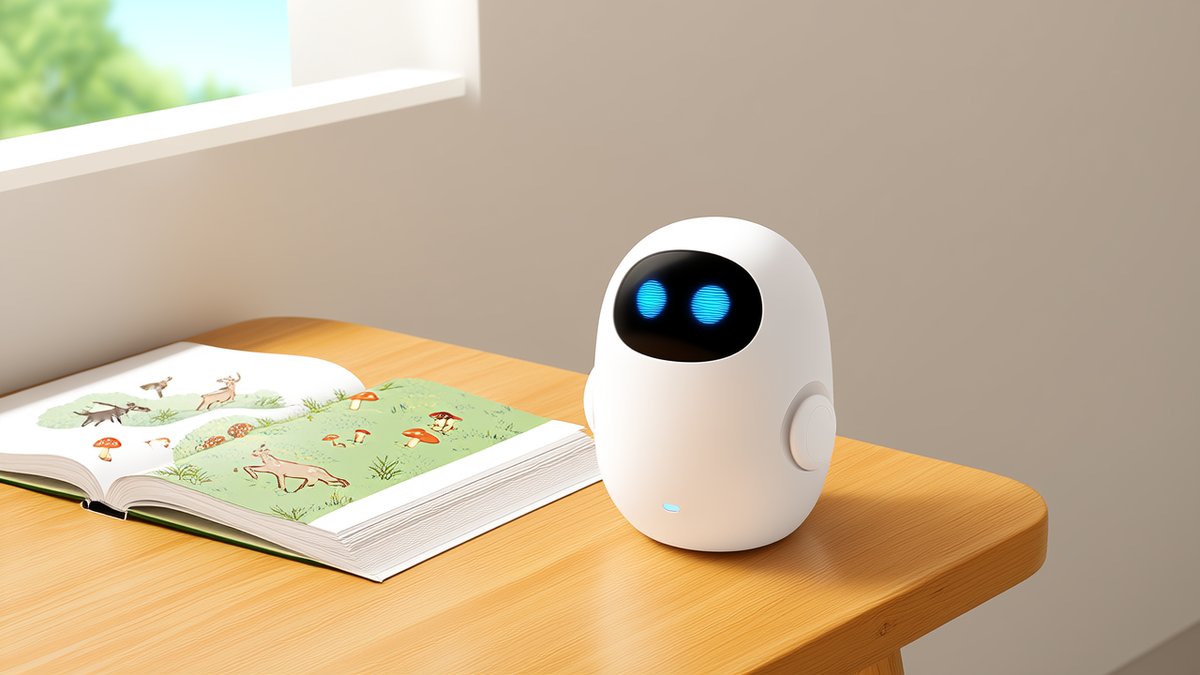
PW Consulting sizes the broader smart AI companion toys market at about USD 2.15 billion in 2025, climbing to USD 6.85 billion by 2032 at an 18% CAGR, with North America already the largest region at USD 759.4 million in 2025. Intel Market Research counts only the high-end segment with conversational, vision and adaptive-learning features, a much smaller pool: roughly USD 55 million in 2025 to USD 132.8 million by 2034, a 10.2% CAGR. Different scopes, same direction, both growing and North American households paying first.
Why does North America lead? Higher disposable income plays a part, but the bigger reason is that Alexa and Google Home already made voice interaction ordinary, so kids and seniors are less wary of something that talks back. Intel Market Research notes 38% of new launches now ship with smart-home integration, turning toys into contextual household agents.
The brake: California pauses under-18 companions
Just as growth peaked, California floated a bill in January 2026 proposing a four-year moratorium on AI companion products aimed at under-18s. PW Consulting lists it as a regulatory risk; combined with the FTC's April 2025 stance, several makers have pushed their children's roadmaps back. COPPA and the EU's GDPR-K already make child-data compliance expensive, and California's move closes the launch-first-comply-later lane for a while.
In plain terms, 2026 is a tug-of-war year for this category. Brands that chase only the North American upside risk tripping on the children's line; the steadier play is on-device conversation, a solid parent dashboard, and privacy cleared before scale. For buyers, the question is not just does it chat well but where does my child's conversation live, and who can see it.
© SWPO. All rights reserved.