
Many older phones were shipped without wireless charging. A few years back, makers dropped the coil to keep bodies thin and costs down, and now you still need a cable on a charging pad. If you do not want a new phone but like the idea of just setting it down, a third-party receiver patch is the cheapest retrofit, often just a few dollars.
How the patch works: 5W is the realistic balance
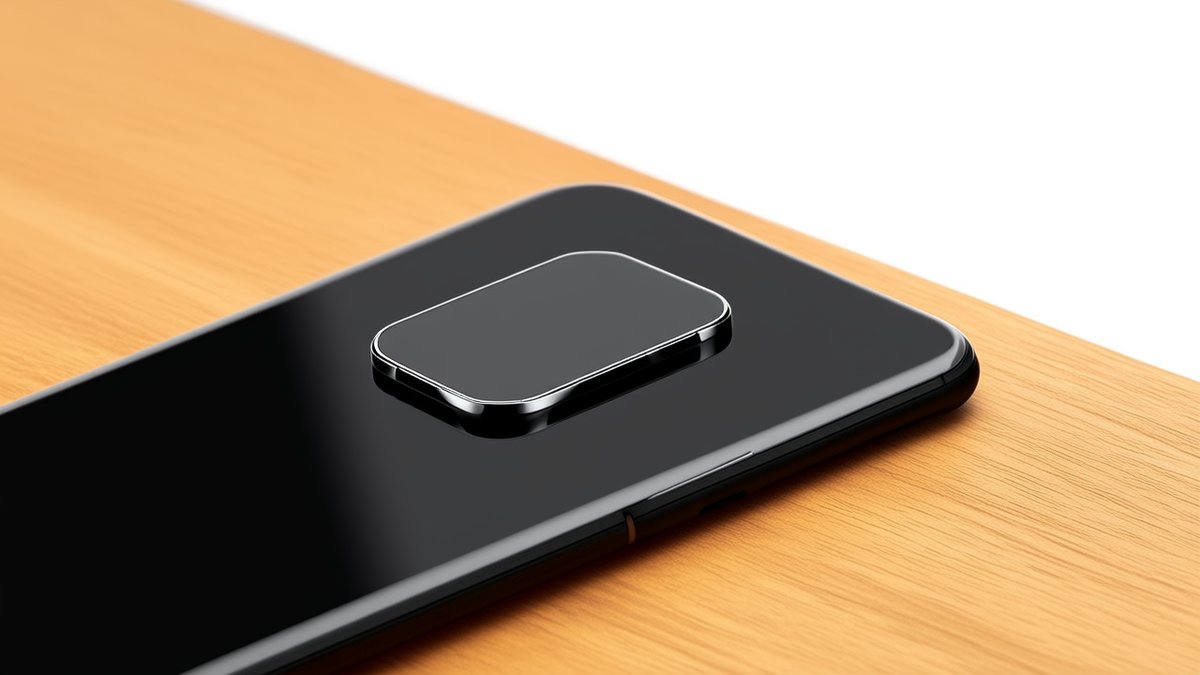
The patch is essentially an ultra-thin Qi receiver module, usually compliant with WPC-1.1, stuck to the phone back or plugged into the port. It aligns with the pad's coil and outputs a steady 5W, with a conversion rate commonly rated above 75%. Why not 15W? Because the patch trades peak speed for the ability to charge steadily on any budget pad. Around 80% of pads actually deliver 7.5W to 10W and often lock to specific phone protocols, so the patch gives up speed for universality. It is a bit slower than Apple's native 7.5W, but the cost is a fraction.
Three options, three different limits
Besides the patch there are two more routes. A wireless charging case hides an integrated coil, adds drop protection, and keeps the coil from shifting, at roughly the same wattage. Reverse wireless charging costs nothing but leans on another device's output and only runs 3W to 5W, good for emergencies only. All three share one truth: none reach fast charging, they are daily trickles at best. Buy a patch with Qi certification; uncertified cheap coils run hot, drop connection, and are rough on the phone over time.
One-line advice: treat the receiver patch as a cheap patch for an ecosystem gap. It fits bedside, car, and office drop-and-charge best; when you are in a hurry, the original cable is still fastest and steadiest.
© SWPO. All rights reserved.