
These days at airports, cafes, and malls you often spot a wireless charger embedded in a side table or bar top. Drop the phone on and it tops up, which is genuinely nice. But public pads differ from the one at home, and three things deserve a thought before you leech.
First: alignment and compatibility, do not assume it charges on contact
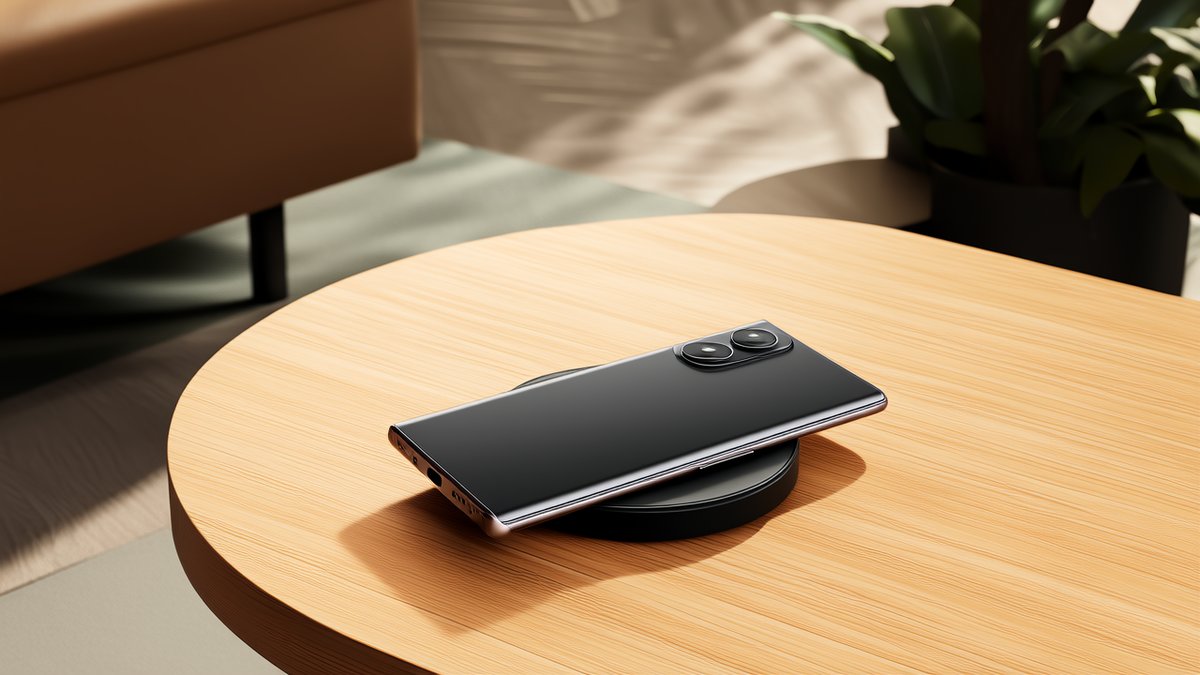
Public pads mostly speak only the Qi baseline, usually 5 to 10W, and once embedded the coil position is often invisible. Phones without magnets drift off and fail to charge, needing repeated nudges. Magnetic iPhone models lock on best; Android without a magnetic case may need careful placement. Also confirm your phone supports Qi, older models or very thick cases may just warm up without taking a charge.
Second: hygiene, third: do not hand over your data
A public pad is a surface thousands have touched, so wiping the phone back first is never wrong. More than hygiene, watch the data: pure wireless charging passes only electromagnetic induction and reads nothing from your phone, which is far safer than a wired shared charging kiosk, where cases of data theft through a charging port have appeared, while wireless pads generally have no such channel. So the plain conclusion: public wireless is fine to use, just confirm Qi, seat it squarely, wipe the back, and it beats plugging into a cable of unknown origin.
© SWPO. All rights reserved.