
Talk about wireless charging and everyone stares at phones, earbuds, and watches. Yet the real interesting increment may hide in medical wearables, the devices worn daily that dread frequent battery swaps or dangling cables most.
Hearing aids and patches move first
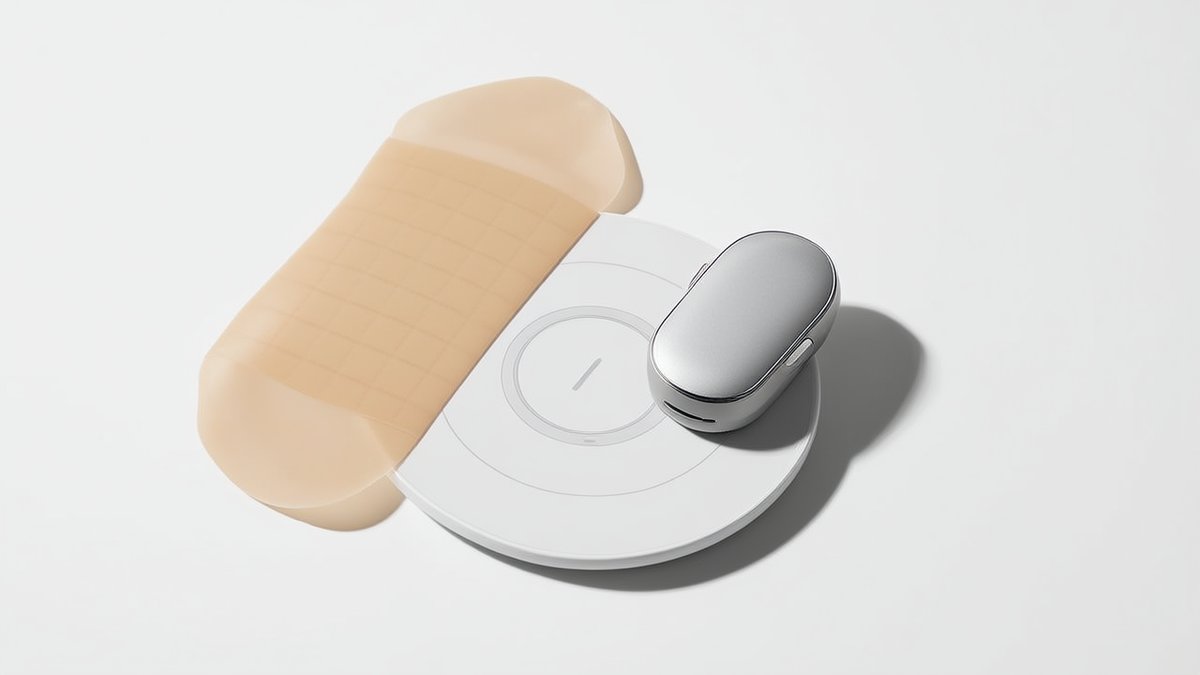
Hearing aids are the textbook case. Traditional button cells are tiny and hard to replace, a struggle for older users, while tucking a receiver coil into the shell and dropping it in a charging case changes the experience completely. Skin-patch monitors work the same way, measuring heart rate or glucose on the body and recharging by resting on a pad. These devices are small with low power needs, squarely in wireless charging's low-watt comfort zone, with easier certification and cooling than phones.
Implants are the farther goldmine
Looking further, if implantable devices such as some cardiac monitors or neuro-stimulators could recharge through the skin via an external coil, they would sharply cut the pain of battery-swap surgeries. The tech is still climbing, with magnetic-coupling efficiency, biocompatible packaging, and long-term reliability as hurdles, but the direction is clear: medical wearables crave port-free, maintenance-free power even more than consumer gear. For wireless-charging makers, this lane has high unit price and strong stickiness, a patch worth claiming early beyond the phone red ocean.
© SWPO. All rights reserved.